


NEWS
Can the SHACMAN X5000 8×4 Cut Operating Costs?
Rising fuel bills, maintenance costs, and downtime can quickly erode fleet profits—but can the SHACMAN X5000 8×4 Dump Truck change that equation? For most end users, the short answer is: yes, it can reduce operating costs, but only if its configuration matches your route conditions, payload demands, and maintenance capabilities. In real-world heavy-duty work, cost savings rarely come from one feature alone. They come from the combined effect of fuel efficiency, drivetrain durability, load capacity, uptime, and driver comfort. That is where the X5000 8×4 is designed to compete.
If you are comparing dump trucks for mining support, infrastructure work, construction haulage, or regional heavy-load transport, the key question is not simply “Is this truck powerful?” but “Will this truck lower my cost per ton or cost per trip over time?” This article focuses on that practical question.
Can the SHACMAN X5000 8×4 really lower operating costs?
For many operators, it can. The SHACMAN X5000 8×4 is built to improve cost control in the areas that matter most:
- Fuel consumption through more efficient powertrain matching
- Reduced downtime through durable heavy-duty components
- Higher transport efficiency through strong load-carrying capability
- Lower repair frequency in tough jobsite conditions
- Better driver productivity with a more comfortable working environment
That said, no truck automatically cuts costs in every scenario. If your daily routes are short, lightly loaded, or mostly on smooth paved roads, a different model may deliver a better return. But for users dealing with repeated heavy-load cycles, rough terrain, stop-and-go construction conditions, or demanding haulage schedules, the X5000 8×4 is much more likely to show cost advantages.
Where do operating costs usually come from in 8×4 dump truck ownership?
Before judging any heavy-duty truck, it helps to understand where the money actually goes. Most end users focus first on purchase price, but the bigger number is usually lifecycle cost. In practice, operating costs often come from five main areas:
- Fuel – often the largest daily expense
- Maintenance and repairs – including wear parts and labor
- Downtime – lost revenue when the truck is off the road
- Tire and suspension wear – especially on rough sites
- Driver-related efficiency – fatigue, handling, and trip consistency
This is why a lower-priced truck is not always the cheaper truck. If a vehicle burns more fuel, breaks down more often, or struggles under continuous heavy loads, the savings at purchase can disappear quickly.
How the X5000 8×4 can save fuel in real operations
Fuel economy is one of the first things buyers ask about, and for good reason. In dump truck operations, even a small reduction in fuel use per trip can create major annual savings.
The SHACMAN X5000 8×4 has the potential to reduce fuel costs through a combination of factors rather than a single headline feature:
- Optimized engine and gearbox matching helps the truck stay in its efficient operating range
- Heavy-duty drivetrain calibration supports stable performance under load
- Cab and vehicle design improvements may help reduce resistance and unnecessary energy loss during road transport
- Consistent torque delivery reduces excessive throttle input in tough work conditions
For operators, the practical result is not just lower fuel burn on paper, but more stable consumption across changing payloads and road conditions. That matters more than ideal test figures. A truck that remains efficient on gradients, in mud, and during repeated loading cycles can have a stronger real-world cost advantage than one that performs well only on clean highways.
Still, actual fuel savings depend on specification choice, axle ratio, engine size, average load, and driver habits. To judge value accurately, ask your supplier for expected consumption ranges based on your own operating environment rather than relying on generic claims.
Does durability reduce repair costs and downtime?
Yes—provided the truck is used in the type of work it was built for. In heavy-duty dump operations, durability is one of the biggest cost-saving factors because repairs do not only cost money; they also stop revenue generation.
The X5000 8×4 is aimed at demanding work, where frame strength, axle reliability, suspension toughness, and powertrain endurance all affect uptime. A stronger truck structure can help reduce problems such as:
- Premature chassis stress under repeated overload pressure
- Suspension wear on poor road surfaces
- Axle strain in continuous heavy-haul use
- Frequent workshop visits caused by jobsite shock loads
For end users, the most important measure is not whether a truck is “heavy-duty” in marketing language, but whether it can keep working consistently in your actual environment. If your business depends on moving material every day, one extra day of uptime per month can be worth more than a small difference in purchase price.
Can higher payload efficiency improve profit per trip?
In many cases, yes. One of the most overlooked ways a dump truck cuts operating costs is by improving transport efficiency. If the truck can move more material reliably while staying within legal and operational limits, the cost per ton can fall.
The 8×4 layout is particularly important here. It gives operators a strong balance between payload capacity, stability, and heavy-duty traction support. That means fewer compromises when hauling dense materials such as sand, gravel, crushed stone, ore, or construction waste.
When a truck supports efficient loading and dependable hauling under pressure, you may gain value through:
- More material moved per day
- Fewer trips for the same total volume
- Lower fuel use per ton transported
- Better dispatch predictability
This is why cost analysis should always be tied to output. A truck is not truly economical just because it uses less fuel per hour. It is economical if it lowers the total cost of moving each ton of material.
What role does driver comfort play in operating costs?
Many buyers underestimate this factor, but driver comfort can directly affect cost. In heavy truck operations, an uncomfortable cab can contribute to fatigue, inconsistent driving, higher error rates, and lower shift productivity.
A better-designed cab can help in several ways:
- Reduce driver fatigue during long working days
- Improve control on rough ground and uneven haul roads
- Support smoother driving habits that reduce fuel waste
- Help retain drivers in competitive labor markets
For owner-operators and fleet users alike, this matters. A truck that is easier to drive and live with is often easier to keep productive. In some use cases, comfort is not a luxury feature—it is part of cost management.
Users comparing applications across different SHACMAN product families may also notice that comfort-and-efficiency thinking appears in road-oriented models as well. For example, the SHACMAN F3000 8×4 Cement Mixer highlights cab comfort, suspension support, and powertrain options for paved-road transport tasks, showing how configuration should always follow operating conditions.
When will the X5000 8×4 deliver the best cost advantage?
The SHACMAN X5000 8×4 is most likely to reduce operating costs when used in scenarios such as:
- Construction and infrastructure projects with repeated heavy-load cycles
- Mining and quarry support where durability and traction matter
- Urban and regional material haulage requiring strong payload efficiency
- Harsh jobsite conditions that punish lighter-duty vehicles
It may be especially attractive if your current fleet suffers from:
- High fuel use under full load
- Frequent suspension or axle repairs
- Too much downtime from rough-site operation
- Low driver satisfaction or inconsistent performance
However, if your routes are mainly smooth roads with lighter-duty cycles, a more application-specific truck may produce better overall economics. Cost reduction depends on fit, not just capability.
How should buyers evaluate whether the X5000 8×4 is worth it?
If you want a practical buying decision, focus on measurable questions instead of broad promises. Ask for answers to the following:
- What is the expected fuel consumption under my average payload and route profile?
- What are the recommended maintenance intervals and common wear items?
- How available are spare parts in my market?
- What is the expected uptime in comparable local operations?
- Which engine and axle ratio best match my terrain and trip distance?
- What is my projected cost per ton compared with my current truck?
You should also calculate total cost of ownership over at least three to five years, including:
- Purchase price
- Fuel
- Maintenance
- Tires
- Downtime risk
- Resale or residual value
This approach gives a much clearer answer than comparing catalog specifications alone.
Final verdict: can the SHACMAN X5000 8×4 cut operating costs?
Yes, for the right user, it absolutely can. The SHACMAN X5000 8×4 is most likely to lower operating costs when your work involves heavy payloads, demanding terrain, repeated transport cycles, and a strong need for uptime. Its value comes not from one isolated feature, but from the way efficiency, durability, payload capability, and driver usability work together.
For end users, the smartest conclusion is this: the X5000 8×4 is not automatically the cheapest option to buy, but it may be the more economical truck to own and operate over time. If your business depends on reliable heavy-duty performance, that difference can be significant.
Before making a final decision, compare the truck against your real operating pattern, not just brochure claims. When matched correctly to the job, the X5000 8×4 has strong potential to improve cost control and protect profit in demanding haulage work.
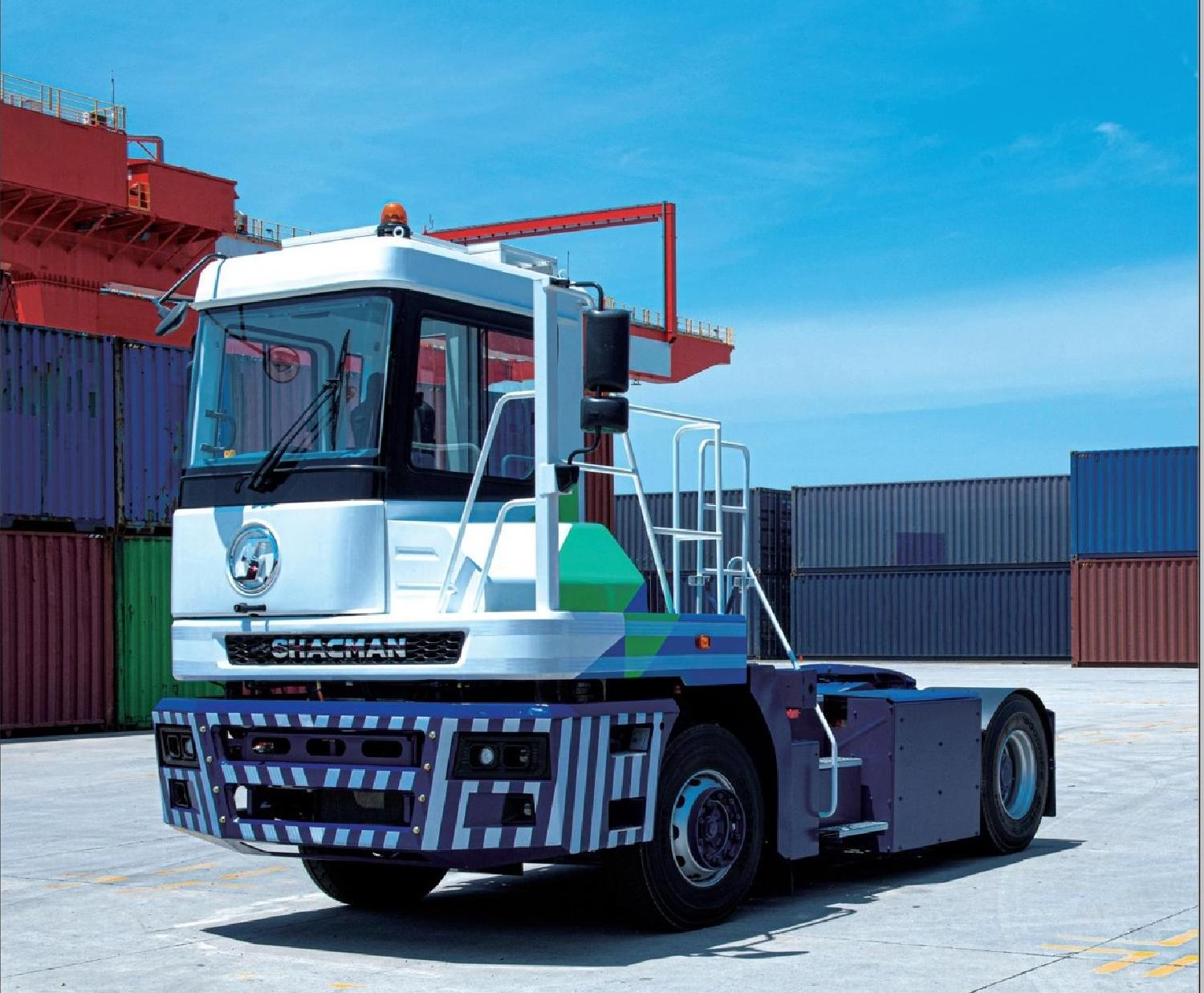
 SHACMAN 4×2 Terminal TruckSHACMAN 4×2 Terminal Truck
The 4×2 Terminal Truck from SHACMAN emerges as a product of years of dedicated technological refinement. Stemming from an extensive background of engineering expertise, this truck is specifically tailored for the demanding terminal operations.
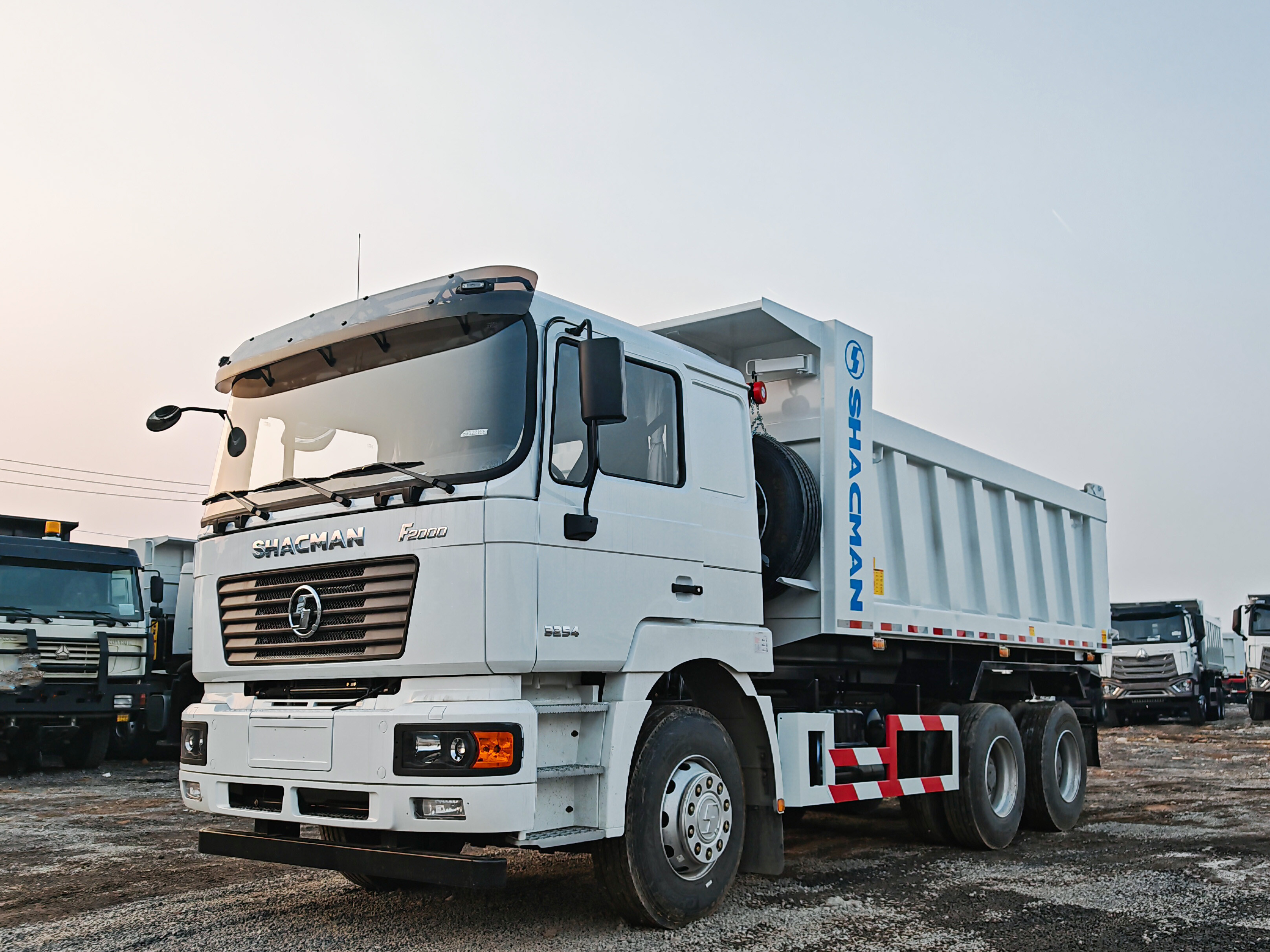
Designed with a focus on optimizing performance in tight - knit terminal environments, it showcases excellent maneuverability. Its powerful engine provides the necessary grunt to handle heavy loads with ease, while maintaining a high level of energy - efficiency, translating into lower operational costs. The driver - centric cabin offers a comfortable working space, reducing fatigue during long shifts. Equipped with advanced safety systems, it ensures a secure working environment in the bustling terminal settings. With the SHACMAN 4×2 Terminal Truck, the standards of terminal transportation are being lifted to new heights. SHACMAN F2000 6×4 Dump TruckSHACMAN F2000 6×4 Dump Truck
The SHACMAN F2000 6×4 Dump Truck stands as a testament to years of relentless innovation and engineering prowess. Built upon a rich heritage of over four decades of technological progression, this vehicle is meticulously crafted for the challenging and dynamic world of construction and material - hauling operations.
Engineered to excel in rugged terrains and demanding job sites, the F2000 6×4 Dump Truck features a robust chassis and a high - torque engine that delivers unrivaled power. This enables it to effortlessly transport heavy loads of construction materials such as gravel, sand, and debris, even on the most uneven surfaces. Its specialized dumping mechanism is designed for quick and efficient unloading, significantly enhancing productivity on the job.
In terms of fuel efficiency, the F2000 is equipped with advanced engine management systems that optimize fuel consumption without sacrificing performance. This not only reduces operational costs but also makes it an environmentally - conscious choice in the construction industry.
The driver's cabin of the F2000 is designed with comfort and convenience in mind. It offers a spacious and ergonomic interior, complete with adjustable seats, climate control, and a user - friendly dashboard. This ensures that drivers can operate the vehicle comfortably for extended periods, minimizing fatigue and maximizing concentration.
Safety is a top priority in the design of the SHACMAN F2000 6×4 Dump Truck. It comes equipped with a comprehensive suite of safety features, including anti - lock braking systems (ABS), stability control, and reinforced cab structures. These features work together to provide a secure working environment for drivers and help prevent accidents on the job site.
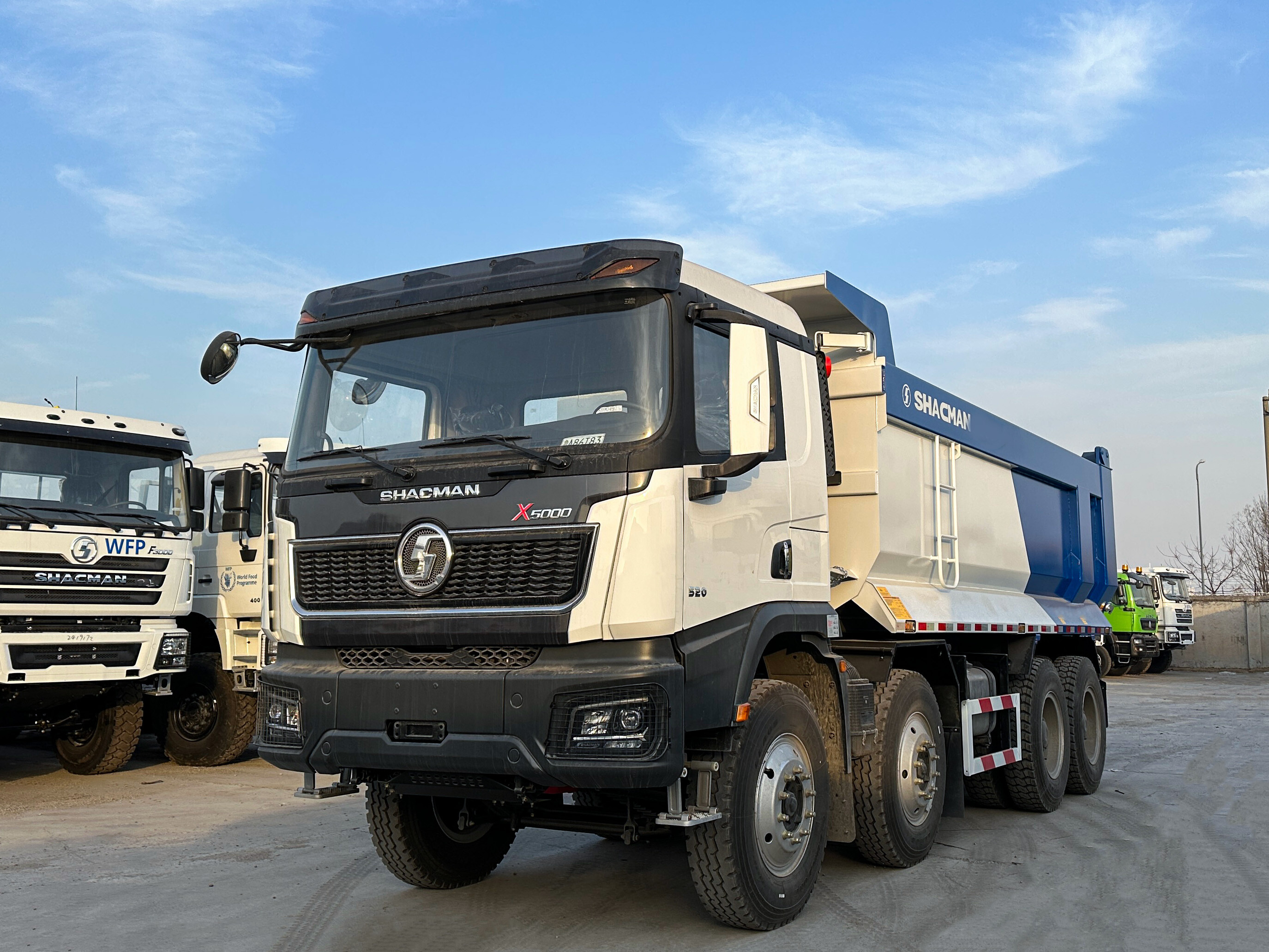
With its combination of power, efficiency, comfort, and safety, the SHACMAN F2000 6×4 Dump Truck is redefining the standards for dump trucks in the construction and material - hauling sectors, setting a new benchmark for performance and reliability. SHACMAN X5000 8×4 Dump TruckThe SHACMAN X5000 8×4 Dump Truck embodies over five decades of relentless engineering innovation. Designed from the ground up for demanding construction and heavy-duty material handling operations, this powerhouse sets unprecedented benchmarks in performance and reliability. Combining formidable hauling capabilities with exceptional fuel efficiency, the X5000 8×4 ensures maximum productivity while minimizing operational costs. Its rugged yet ergonomic cab offers a spacious and driver-centric environment, equipped with intuitive controls and advanced connectivity for seamless workflow. Reinforced safety systems, including upgraded braking technology, stability control, and a reinforced chassis structure, prioritize operator and worksite safety. Engineered to conquer the toughest terrains and heaviest loads, the SHACMAN X5000 8×4 Dump Truck is redefining excellence in the heavy-duty transportation sector.
Search Starts Here