


NEWS
Shacman F2000 Maintenance Costs: Year-by-Year Breakdown
Introduction to Shacman F2000 Maintenance Costs
Considering a Shacman F2000 heavy-duty truck? Understanding its maintenance costs is crucial for long-term budgeting. This year-by-year breakdown analyzes Shacman F2000 maintenance expenses, helping fleet managers and owner-operators make informed decisions. Discover how routine servicing, parts replacements, and unexpected repairs impact your total cost of ownership for this reliable workhorse.
The Shacman F2000 is a popular choice in the heavy-duty truck segment, known for its durability and performance. However, like any commercial vehicle, it requires regular maintenance to ensure optimal operation. This article provides a detailed cost analysis across different ownership periods, helping you plan your fleet management strategy.
Year 1-3: Initial Ownership Period
During the first three years, maintenance costs are typically lower as most components are still under warranty. The primary expenses include routine oil changes, filter replacements, and basic inspections. Shacman's build quality helps minimize unexpected repairs during this period.
Key maintenance items in the initial phase include:
- Engine oil and filter changes every 15,000-20,000 km
- Air filter replacement every 30,000 km
- Fuel system inspection every 6 months
- Brake system check every 25,000 km
The total annual maintenance cost for years 1-3 typically ranges between $800-$1,200, depending on usage patterns and operating conditions. For operators looking for alternative models, the SHACMAN F3000 6×4 Oil Truck offers similar reliability with specialized features for liquid transport applications.
Years 4-6: Mid-Life Maintenance
As the truck accumulates mileage, maintenance requirements increase. This period often sees the first major component replacements, including brake pads, suspension components, and potentially the clutch system.
Common maintenance issues during this phase include:
- Brake system overhaul (pads, rotors, and calipers)
- Suspension bushing and shock absorber replacements
- Transmission fluid and filter changes
- Cooling system maintenance
Annual maintenance costs during years 4-6 typically increase to $1,500-$2,500, with significant variations based on operating conditions. The SHACMAN F3000 series shares many components with the F2000, offering parts commonality benefits for mixed fleets.
Year 7+: Long-Term Ownership Costs
Beyond seven years, maintenance becomes more unpredictable as wear-and-tear affects major systems. This period often requires more significant investments in engine overhauls, transmission repairs, and electrical system maintenance.
Key considerations for long-term ownership include:
- Engine component replacements (injectors, turbochargers)
- Transmission rebuilds or replacements
- Electrical system diagnostics and repairs
- Cab and chassis corrosion prevention
Major Repair Cost Estimates
The table below outlines potential major repair costs for older F2000 models:
Annual maintenance costs for trucks over seven years old can range from $3,000 to $8,000, depending on condition and usage history. For operators considering replacement, the SHACMAN F3000 6×4 Oil Truck offers modern features with lower maintenance requirements.
Factors Affecting Maintenance Costs
Several variables influence the actual maintenance costs of a Shacman F2000. Understanding these factors helps in accurate budgeting and operational planning.
Operational Conditions
Trucks operating in harsh environments typically require more frequent maintenance:
- Off-road or construction site use increases wear by 30-50%
- Cold climate operation accelerates battery and fluid system wear
- Frequent stop-start driving increases brake and clutch wear
Maintenance Practices
Proper maintenance scheduling can significantly reduce long-term costs:
- Adhering to manufacturer-recommended intervals reduces major repairs by 40%
- Using genuine Shacman parts extends component life by 25-35%
- Proper driver training reduces unnecessary wear and tear
Conclusion and Action Plan
Understanding the year-by-year maintenance costs of the Shacman F2000 helps fleet managers make informed decisions about acquisition, operation, and replacement strategies. While initial costs are modest, proper budgeting for mid-life and long-term maintenance is essential for cost-effective operation.
For operators considering their next heavy-duty truck purchase, Shacman offers a range of reliable options including specialized models like the oil transport version. Regular maintenance using genuine parts and following manufacturer guidelines remains the most effective way to control operating costs throughout the vehicle's lifecycle.
To explore Shacman's full range of heavy-duty trucks or request a customized maintenance plan for your fleet, contact our expert team today for personalized consultation and support.
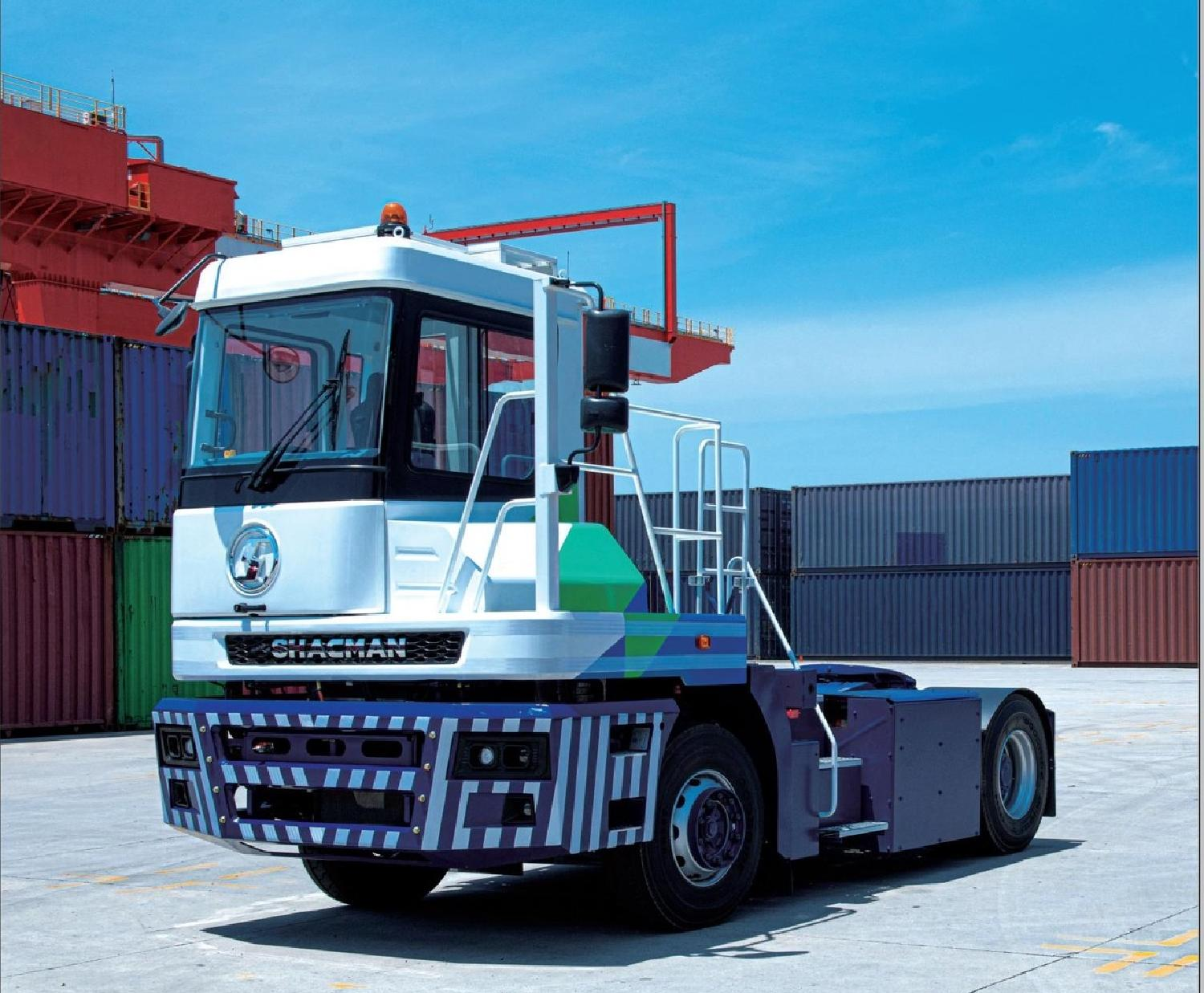
 SHACMAN 4×2 Terminal TruckSHACMAN 4×2 Terminal Truck
The 4×2 Terminal Truck from SHACMAN emerges as a product of years of dedicated technological refinement. Stemming from an extensive background of engineering expertise, this truck is specifically tailored for the demanding terminal operations.
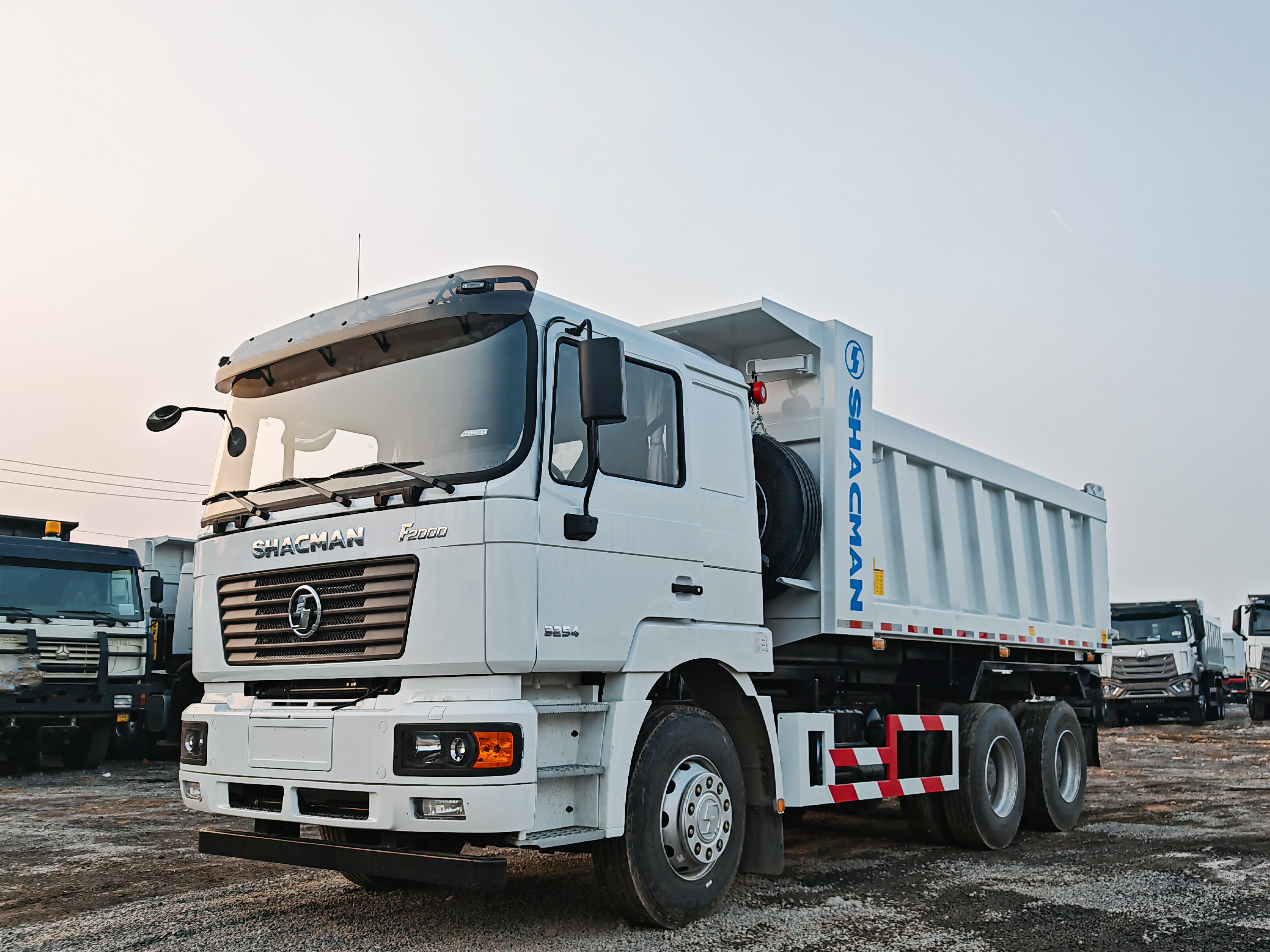
Designed with a focus on optimizing performance in tight - knit terminal environments, it showcases excellent maneuverability. Its powerful engine provides the necessary grunt to handle heavy loads with ease, while maintaining a high level of energy - efficiency, translating into lower operational costs. The driver - centric cabin offers a comfortable working space, reducing fatigue during long shifts. Equipped with advanced safety systems, it ensures a secure working environment in the bustling terminal settings. With the SHACMAN 4×2 Terminal Truck, the standards of terminal transportation are being lifted to new heights. SHACMAN F2000 6×4 Dump TruckSHACMAN F2000 6×4 Dump Truck
The SHACMAN F2000 6×4 Dump Truck stands as a testament to years of relentless innovation and engineering prowess. Built upon a rich heritage of over four decades of technological progression, this vehicle is meticulously crafted for the challenging and dynamic world of construction and material - hauling operations.
Engineered to excel in rugged terrains and demanding job sites, the F2000 6×4 Dump Truck features a robust chassis and a high - torque engine that delivers unrivaled power. This enables it to effortlessly transport heavy loads of construction materials such as gravel, sand, and debris, even on the most uneven surfaces. Its specialized dumping mechanism is designed for quick and efficient unloading, significantly enhancing productivity on the job.
In terms of fuel efficiency, the F2000 is equipped with advanced engine management systems that optimize fuel consumption without sacrificing performance. This not only reduces operational costs but also makes it an environmentally - conscious choice in the construction industry.
The driver's cabin of the F2000 is designed with comfort and convenience in mind. It offers a spacious and ergonomic interior, complete with adjustable seats, climate control, and a user - friendly dashboard. This ensures that drivers can operate the vehicle comfortably for extended periods, minimizing fatigue and maximizing concentration.
Safety is a top priority in the design of the SHACMAN F2000 6×4 Dump Truck. It comes equipped with a comprehensive suite of safety features, including anti - lock braking systems (ABS), stability control, and reinforced cab structures. These features work together to provide a secure working environment for drivers and help prevent accidents on the job site.
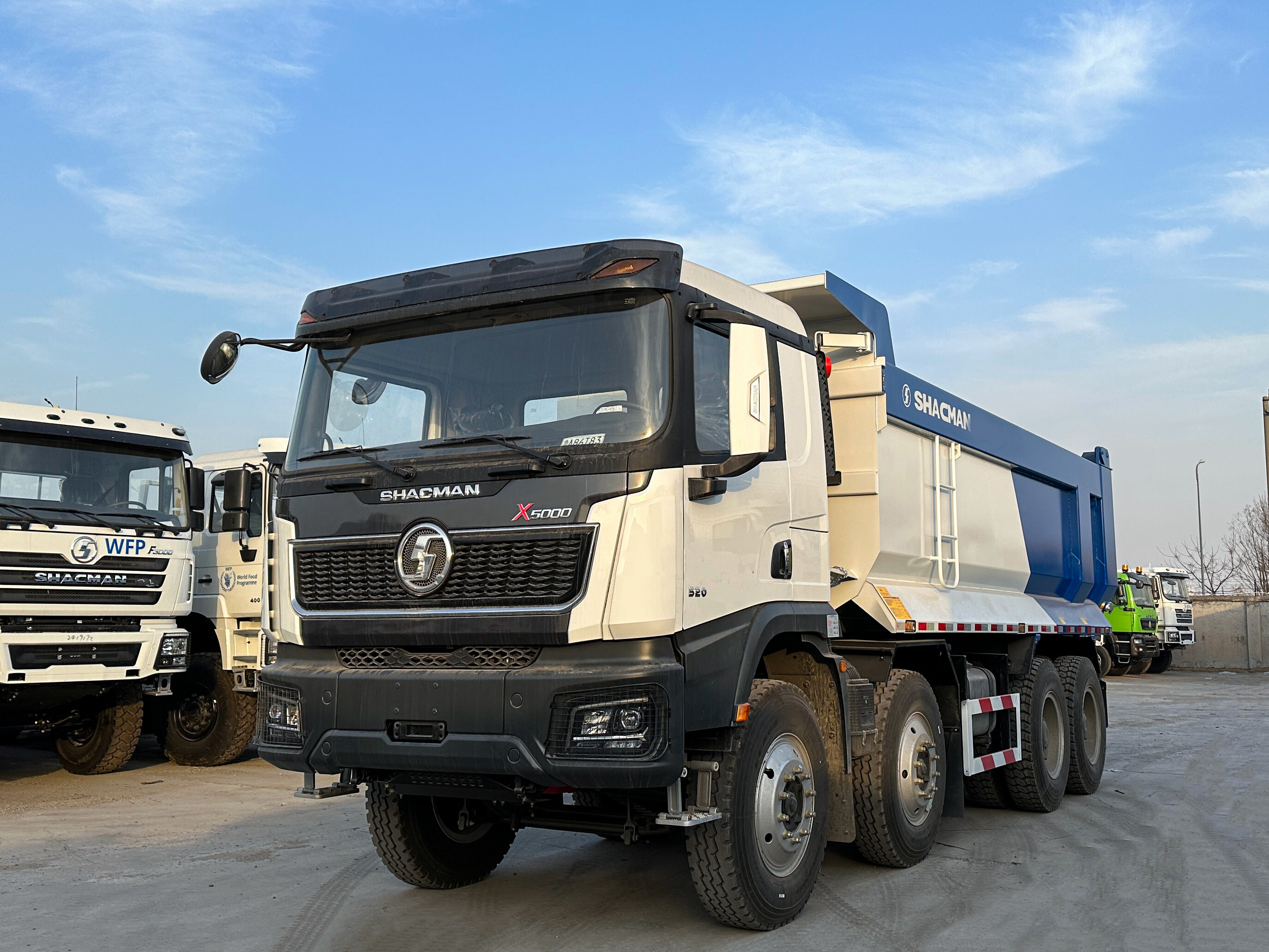
With its combination of power, efficiency, comfort, and safety, the SHACMAN F2000 6×4 Dump Truck is redefining the standards for dump trucks in the construction and material - hauling sectors, setting a new benchmark for performance and reliability. SHACMAN X5000 8×4 Dump TruckThe SHACMAN X5000 8×4 Dump Truck embodies over five decades of relentless engineering innovation. Designed from the ground up for demanding construction and heavy-duty material handling operations, this powerhouse sets unprecedented benchmarks in performance and reliability. Combining formidable hauling capabilities with exceptional fuel efficiency, the X5000 8×4 ensures maximum productivity while minimizing operational costs. Its rugged yet ergonomic cab offers a spacious and driver-centric environment, equipped with intuitive controls and advanced connectivity for seamless workflow. Reinforced safety systems, including upgraded braking technology, stability control, and a reinforced chassis structure, prioritize operator and worksite safety. Engineered to conquer the toughest terrains and heaviest loads, the SHACMAN X5000 8×4 Dump Truck is redefining excellence in the heavy-duty transportation sector.
Search Starts Here