


NEWS
Do heavy truck drivers in Peru need special licenses?
Do heavy truck drivers in Peru need special licenses?
Yes, heavy truck drivers in Peru must hold a Class D professional driving license, issued by the Peruvian Ministry of Transport and Communications (MTC), in addition to a standard Category B license. This requirement applies to all vehicles with gross vehicle weight over 12 metric tons or designed to carry more than 20 passengers.
This matters because operating without the correct license carries legal penalties, invalidates insurance coverage, and may disqualify fleet operators from public tenders or logistics contracts. The first thing to verify is whether the driver’s current license meets MTC’s definition of “heavy vehicle” — not just by make or model, but by certified GVW and axle configuration as registered in Peru.
What exactly qualifies as a “heavy truck” under Peruvian law?
A vehicle is classified as a heavy truck in Peru if its maximum authorized mass (MAM) exceeds 12,000 kg, or if it is designed to transport more than 20 people including the driver. This includes rigid trucks, articulated tractor-trailers, tippers, and specialized units like concrete mixers or cranes mounted on heavy chassis.
The classification depends on official documentation — specifically the vehicle’s Certificate of Conformity and registration record filed with the MTC. It is not determined by engine size, brand, or international export labeling. For imported vehicles, local homologation must confirm the declared MAM before licensing begins.
Importantly, some SHACMAN X-series and H-series models fall into this category depending on final configuration. Their factory-rated GVW must be verified against Peruvian registration standards — not Chinese or EU type-approval documents.
How does the Class D license differ from a regular driver’s license?
The Class D license requires separate application, medical certification, theoretical and practical exams, and proof of at least two years’ experience holding a Category B license. It also mandates periodic renewal every five years and mandatory refresher training every ten years.
Unlike basic licenses, Class D applicants must pass vision, hearing, and neurological assessments administered by MTC-accredited clinics. They must also demonstrate knowledge of cargo securement rules, hazardous materials handling basics, and national road safety regulations — even if their route is limited to private industrial sites.
Drivers employed by logistics companies serving port groups or Belt and Road infrastructure projects often undergo additional internal certification, but that does not replace the legally required Class D license.
Can foreign drivers operate heavy trucks in Peru using their home country license?
No — foreign licenses are not valid for commercial heavy vehicle operation in Peru. Temporary visitors may drive light vehicles under bilateral agreements only if their home country has a reciprocity treaty with Peru; no such agreement currently covers Class D equivalents.
Foreign nationals must obtain a Peruvian Class D license through the full domestic process, including Spanish-language exams and local medical evaluation. Residency status affects processing time but not eligibility — both temporary and permanent residents follow the same technical requirements.
Some international port groups and construction firms support staff through this process by coordinating with local driving schools and MTC-certified trainers. This is especially common where SHACMAN trucks are deployed in mining or energy logistics corridors.
What happens if a company uses unlicensed drivers for heavy truck operations?
Penalties include fines up to 50 UIT (Unidades Impositivas Tributarias), vehicle impoundment, suspension of fleet registration, and disqualification from government procurement for up to three years. Repeated violations may trigger criminal liability for fleet managers.
Insurance claims related to accidents involving unlicensed drivers are routinely denied. Third-party liability coverage remains void even if the driver holds valid insurance from another jurisdiction.
There is no grace period or provisional permit system. Compliance must be confirmed before the first kilometer of commercial operation — including test drives with clients or delivery of demo units.
Are there any exemptions or transitional arrangements for new fleet operators?
No statutory exemptions exist for startups, foreign investors, or trial deployments. All operators — regardless of scale, ownership, or duration of activity — must comply with Class D licensing before deploying heavy trucks commercially.
However, companies importing SHACMAN heavy trucks through Shanxi Heavy Duty Automobile Import & Export Co., Ltd can access localized support: pre-shipment GVW verification, documentation alignment with MTC templates, and coordination with Peruvian certification partners. This helps avoid delays caused by mismatched technical specs.
That support does not waive licensing — but it reduces the risk of misclassifying a vehicle during registration, which could otherwise lead to reapplication or downgrade of license class.
This table shows that licensing obligations are driver-centric and jurisdiction-specific — not tied to vehicle brand, origin, or importer. What matters is how the vehicle is officially registered and who operates it on Peruvian roads.
Key decision checklist
- If your driver holds only a Category B or foreign license, then they are not legally permitted to operate heavy trucks in Peru — even for demonstration or internal site use.
- If your SHACMAN truck’s factory GVW exceeds 12,000 kg, then Peruvian registration will classify it as heavy — triggering Class D requirements regardless of intended use.
- If your operation involves cross-border movement (e.g., from Ecuador or Chile), then Peruvian Class D remains mandatory for the Peruvian leg — no regional harmonization exists yet.
- If you plan to lease or sell trucks to Peruvian customers, then confirming their ability to obtain Class D licenses is part of due diligence — not an after-sale concern.
Start by requesting the official MTC classification guide for imported vehicles and cross-checking your specific SHACMAN model’s certified GVW against it — before placing orders or arranging shipment.
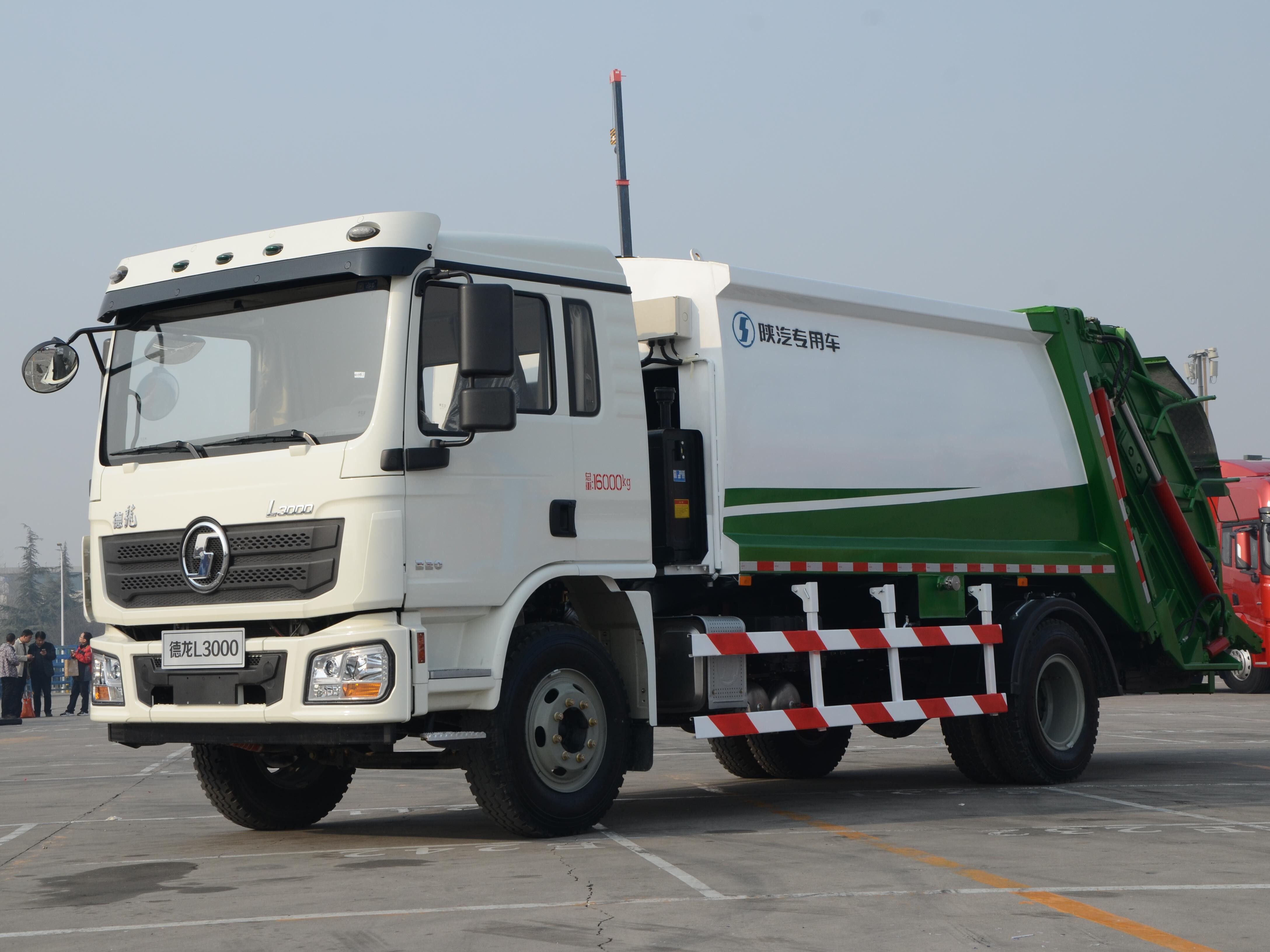
 SHACMAN L3000 4×2Garbage TruckThe L3000 is the ultimate choice for inter - city transportation. It's designed with urban logistics in mind, offering a remarkable blend of maneuverability. This makes it easy to navigate through busy city streets, ensuring timely deliveries. One of the L3000's most outstanding features is its highly adaptable chassis. Engineered with precision, it allows for seamless customization. This means that it can be easily modified to suit a wide range of specific needs. For instance, it can be transformed into a water spraying truck for street cleaning, a fuel oil tanker for transporting essential fuels, or a truck - mounted crane for heavy - lifting operations at construction sites.
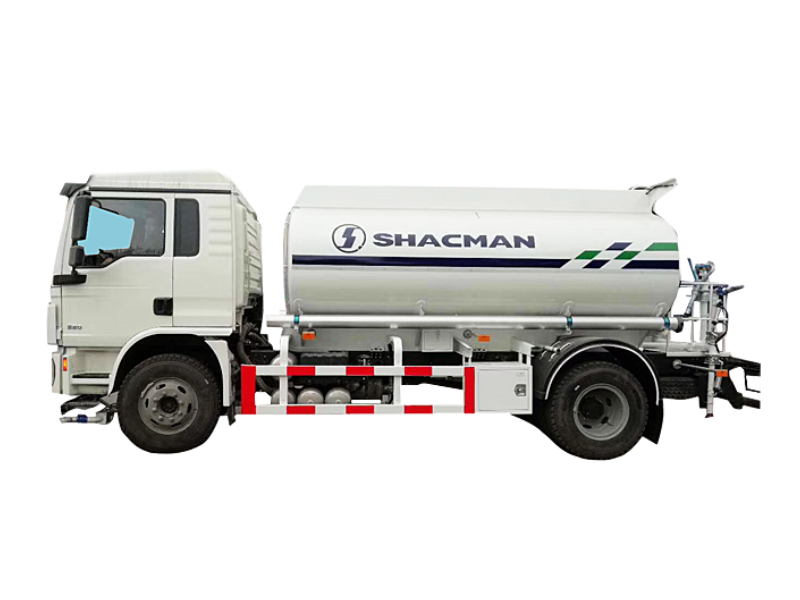
 SHACMAN L3000 4×2 Sprinkler TruckThe L3000 is the ultimate choice for inter - city transportation. It's designed with urban logistics in mind, offering a remarkable blend of maneuverability. This makes it easy to navigate through busy city streets, ensuring timely deliveries. One of the L3000's most outstanding features is its highly adaptable chassis. Engineered with precision, it allows for seamless customization. This means that it can be easily modified to suit a wide range of specific needs. For instance, it can be transformed into a water spraying truck for street cleaning, a fuel oil tanker for transporting essential fuels, or a truck - mounted crane for heavy - lifting operations at construction sites.
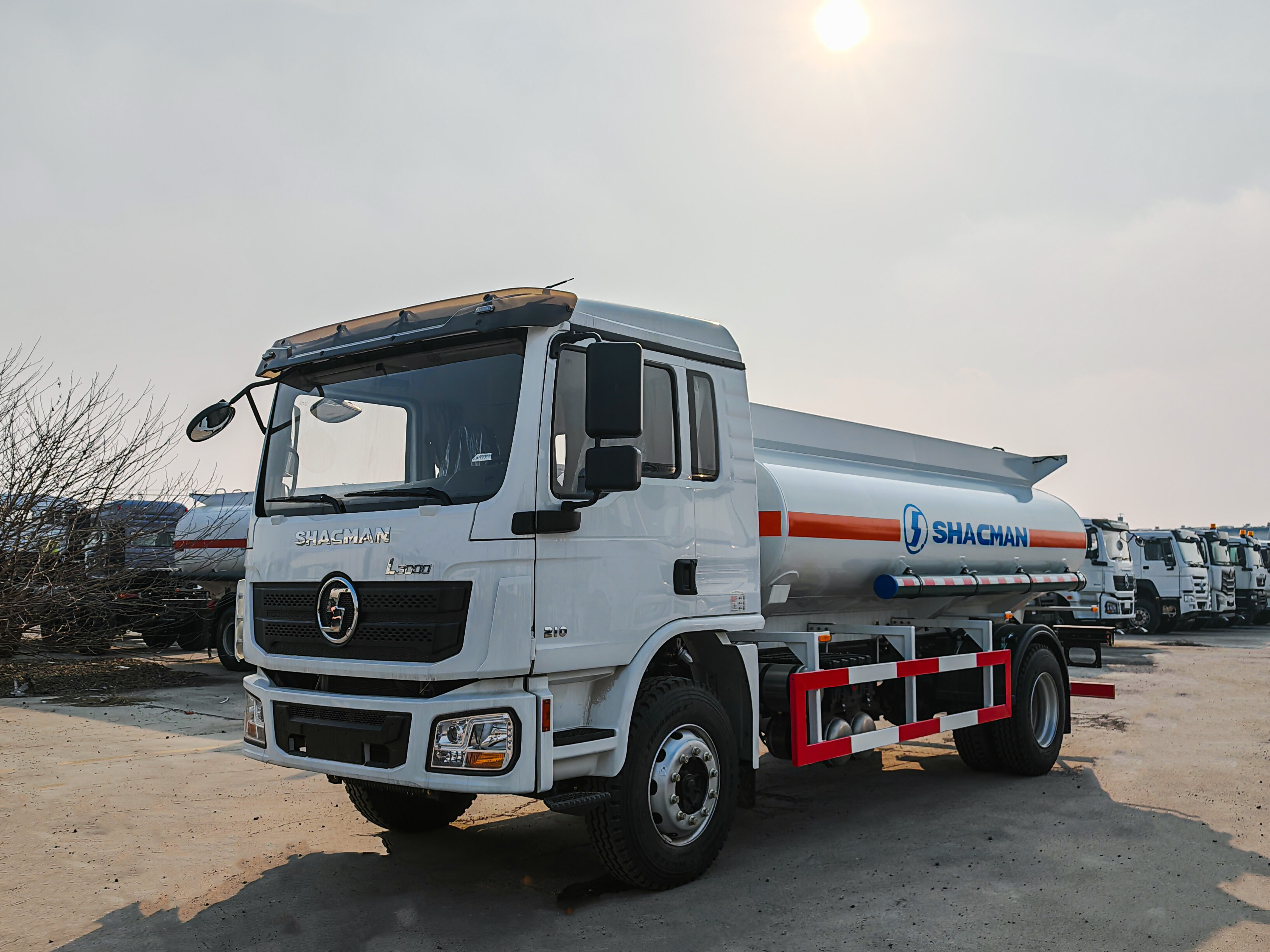
 SHACMAN L3000 4×2 Oil TruckThe L3000 is the ultimate choice for inter - city transportation. It's designed with urban logistics in mind, offering a remarkable blend of maneuverability. This makes it easy to navigate through busy city streets, ensuring timely deliveries. One of the L3000's most outstanding features is its highly adaptable chassis. Engineered with precision, it allows for seamless customization. This means that it can be easily modified to suit a wide range of specific needs. For instance, it can be transformed into a water spraying truck for street cleaning, a fuel oil tanker for transporting essential fuels, or a truck - mounted crane for heavy - lifting operations at construction sites.
Search Starts Here