


NEWS
How often must heavy trucks in Peru pass safety inspections?
Heavy trucks in Peru must pass safety inspections annually, with additional checks required before initial registration and after major repairs or modifications.
Peruvian law mandates that all heavy trucks undergo a certified safety inspection at least once every 12 months. This requirement applies to vehicles operating commercially — including freight, construction, and port logistics — regardless of age or mileage. First-time registration also triggers an inspection, and any structural, braking, lighting, or axle modification requires re-certification before return to service.
This frequency matters because non-compliance can lead to immediate operational suspension, fines, or rejection at customs or port terminals. The most critical factor for operators is not just calendar timing, but whether the vehicle’s use case falls under MTC (Ministry of Transport and Communications) Regulation No. 015-2021-MTC/02, which defines “heavy truck” as vehicles over 3.5 tons GVW and sets minimum technical standards for brakes, tires, lights, and emissions control systems.
What happens if a truck misses its annual inspection deadline?
If a heavy truck operates beyond its certified inspection validity period, it is legally prohibited from road use. Authorities may immobilize the vehicle on sight, issue administrative sanctions, and require full re-inspection — including documentation review, brake performance testing, and chassis integrity verification — before reinstatement.
The risk is heightened for international operators: missed inspections often trigger delays during import clearance or port handover, especially when vehicles are part of cross-border logistics contracts tied to Peruvian customs’ electronic tracking system (SUNAT-VUCE).
There is no grace period. Validity ends precisely on the date stamped in the official inspection certificate issued by an MTC-accredited center. Extensions are not permitted unless granted via formal administrative appeal — a rare exception reserved for documented force majeure events.
Are there different rules for imported vs. domestically registered trucks?
No. All heavy trucks operating on Peruvian roads — whether newly imported, locally assembled, or previously registered — follow identical inspection intervals and technical criteria. Import status only affects the *first* inspection: imported units must pass pre-registration inspection before receiving license plates.
However, imported trucks face one extra step: verification that their original manufacturer specifications meet Peru’s NTP (Technical Standards) for braking distance, axle load distribution, and rear underrun protection. This is evaluated during the initial inspection, not annually.
Domestically registered trucks skip this specification check after first registration — unless major modifications occur. Both categories remain subject to the same annual schedule and roadside抽查 (spot-check) enforcement by the National Transport Authority (ANT).
Do inspection requirements change based on truck usage — like port hauling versus long-haul freight?
No. Frequency remains fixed at once per year across all commercial use cases. However, severity of evaluation does vary: port-terminal trucks undergo stricter scrutiny of coupling mechanisms, hydraulic lift systems, and corrosion resistance; long-haul units face deeper examination of tire wear patterns, suspension fatigue, and brake cooling efficiency.
That difference is procedural, not regulatory — applied by inspectors using MTC’s standardized checklist. It does not alter scheduling, documentation, or legal validity periods.
Operators managing mixed fleets should treat all vehicles equally for scheduling purposes. A unified digital calendar with 45-day advance reminders is strongly advised — particularly for companies supporting Belt and Road infrastructure projects where downtime directly impacts contractual SLAs.
Can third-party service providers perform these inspections?
No. Only centers officially accredited by Peru’s Ministry of Transport and Communications (MTC) may issue valid safety inspection certificates. Accreditation requires demonstrated compliance with ISO/IEC 17020, calibrated equipment traceable to national metrology institutes, and certified inspector training records.
Third-party workshops — even those authorized for maintenance or parts supply — cannot substitute for MTC-accredited centers. Some international exporters mistakenly assume their local partner’s workshop qualifies; this leads to rejected certifications and repeated inspections.
Shanxi Heavy Duty Automobile Import & Export Co., Ltd supports customers by maintaining updated lists of MTC-accredited centers in Lima, Callao, Arequipa, and Trujillo — shared upon request during vehicle delivery or service contract setup.
How do inspection records affect resale or transfer of ownership?
A clean, unbroken chain of annual inspection certificates significantly increases resale value and accelerates title transfer. Buyers routinely verify certificate validity before purchase; gaps longer than 30 days raise red flags about hidden mechanical issues or non-compliant modifications.
Transfers between legal entities — such as from a foreign logistics company to a Peruvian distributor — require submission of the last three inspection reports alongside tax and registration documents. Missing or expired reports trigger mandatory re-inspection before approval.
This makes recordkeeping essential. Digital copies alone are insufficient: originals or notarized duplicates must be presented at the Regional Transport Office (DRT). Operators using SHACMAN vehicles benefit from built-in VIN-linked service logs accessible via SHACMAN’s global parts portal — simplifying evidence collection during transfers.
The table shows that while timing differs, all inspections share the same legal weight. Annual checks are the baseline obligation; others are conditional triggers — not replacements. Operators should prioritize consistent scheduling over trying to consolidate inspections, since overlapping validity windows don’t extend coverage.
Decision Checklist Before Scheduling Your Next Inspection
- If your truck has undergone any axle, frame, or braking system work since last inspection, then post-repair verification must be completed before resuming operations — even if the annual due date hasn’t arrived.
- If your fleet includes vehicles registered under multiple legal entities in Peru, then each entity must maintain separate, uninterrupted inspection records — shared history does not satisfy compliance.
- If you plan to export or reassign the vehicle within the next 6 months, then ensure the upcoming inspection occurs at least 90 days before transfer — allowing time for document processing at DRT offices.
- If your truck operates primarily inside port zones, then confirm the inspection center used is approved for Class III commercial vehicles — not just light-duty or municipal categories.
Start by downloading the official MTC inspection checklist (Form N° 001-MTC/02) and cross-referencing it against your vehicle’s current condition — especially tire tread depth, brake pad thickness, and fluid leak signs. This takes under 20 minutes and prevents 70% of common rejection reasons.
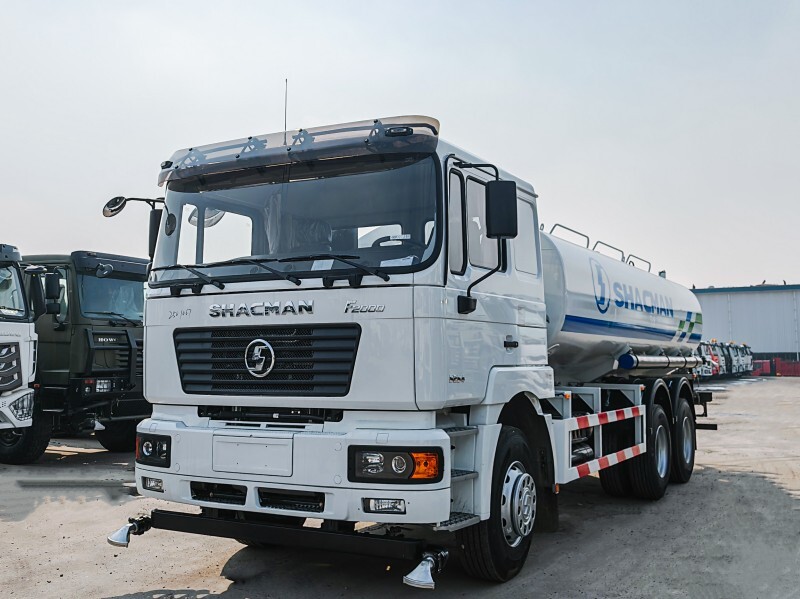
 SHACMAN F2000 6x4 SprinklerAs a classic model of Shaanxi Automobile Group, SHACMAN F2000 6x4 sprinkler truck is specially designed for municipal sanitation, engineering dust reduction and road maintenance with more than 30 years of technological accumulation. It is equipped with Weichai WP10.290E32 diesel engine, outputs 290 horsepower, matches 10-speed manual transmission, and has a maximum speed of 85km/h, combining power and fuel economy. The vehicle adopts 6x4 drive form, wheelbase 4300+1400mm, curb weight 15.8 tons, maximum load 20 tons, equipped with 380L fuel tank, to meet the needs of long-distance operations.
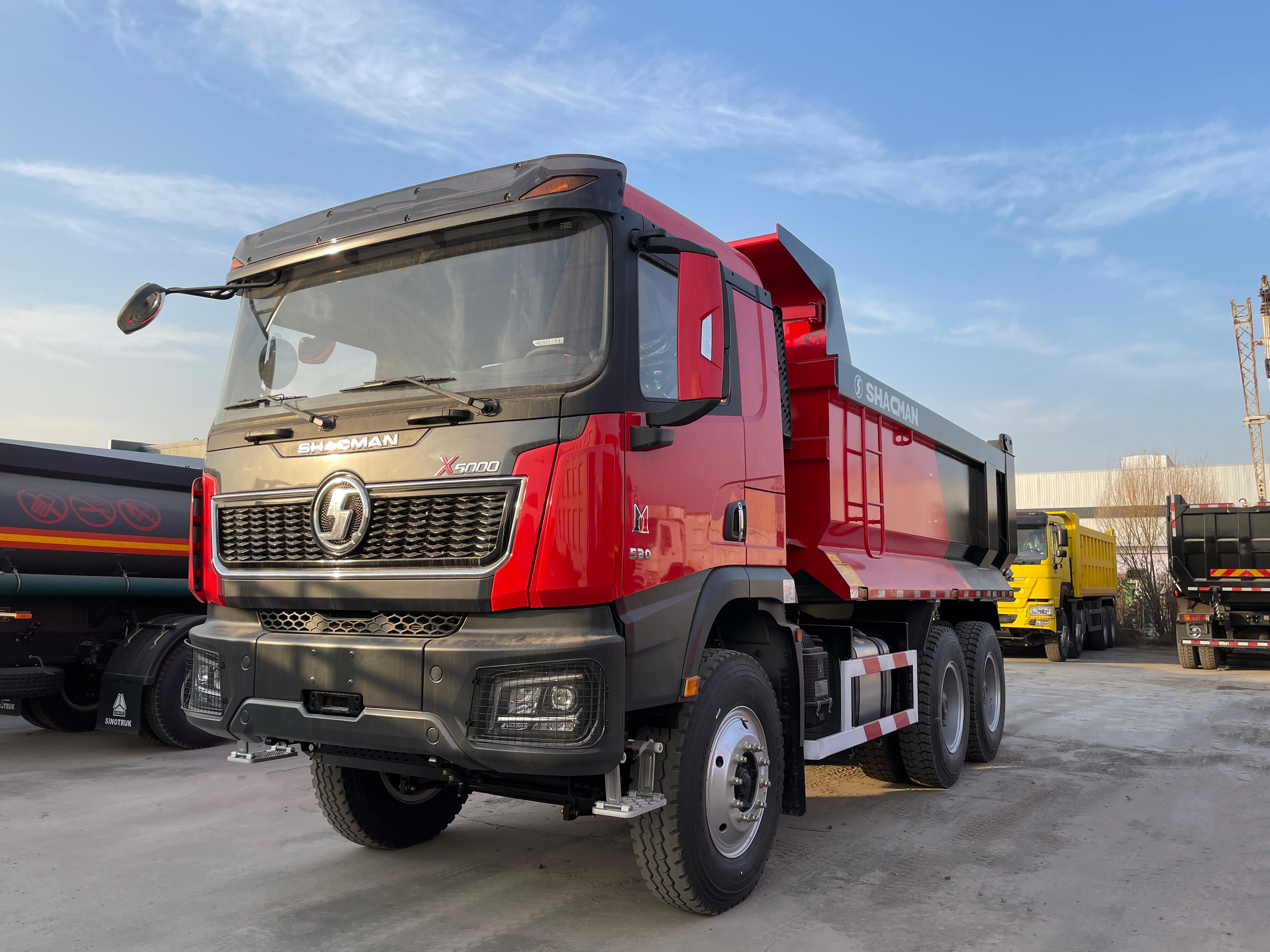
 SHACMAN X5000 6×4 Dump truck**SHACMAN X5000 6×4 Dump Truck**
Crafted through decades of precision engineering, the SHACMAN X5000 6×4 Dump Truck redefines versatility and performance in the realm of heavy-duty material transport. Purpose-built for construction, quarrying, and urban infrastructure projects, this robust machine seamlessly merges raw power with cutting-edge efficiency. Its advanced 6×4 drivetrain, optimized for agility and traction, conquers challenging terrains while maintaining exceptional load-bearing stability, even under full payload conditions.
At its core lies a high-torque engine engineered to deliver explosive power without compromising fuel economy, ensuring cost-effective operations across long-haul or repetitive cycles. The reinforced chassis and adaptive suspension system are tailored to absorb shocks and reduce wear, extending the truck’s lifespan in harsh working environments. An intelligent hydraulic lifting mechanism guarantees swift, precise dumping actions, maximizing productivity on tight schedules.
Inside the ergonomically designed cabin, operators experience unparalleled comfort with premium seating, intuitive touchscreen controls, and noise-insulated interiors that minimize fatigue during extended shifts. Safety takes center stage with features like lane departure alerts, anti-lock braking systems (ABS), and a reinforced roll-over protection structure (ROPS), all engineered to safeguard both driver and worksite.
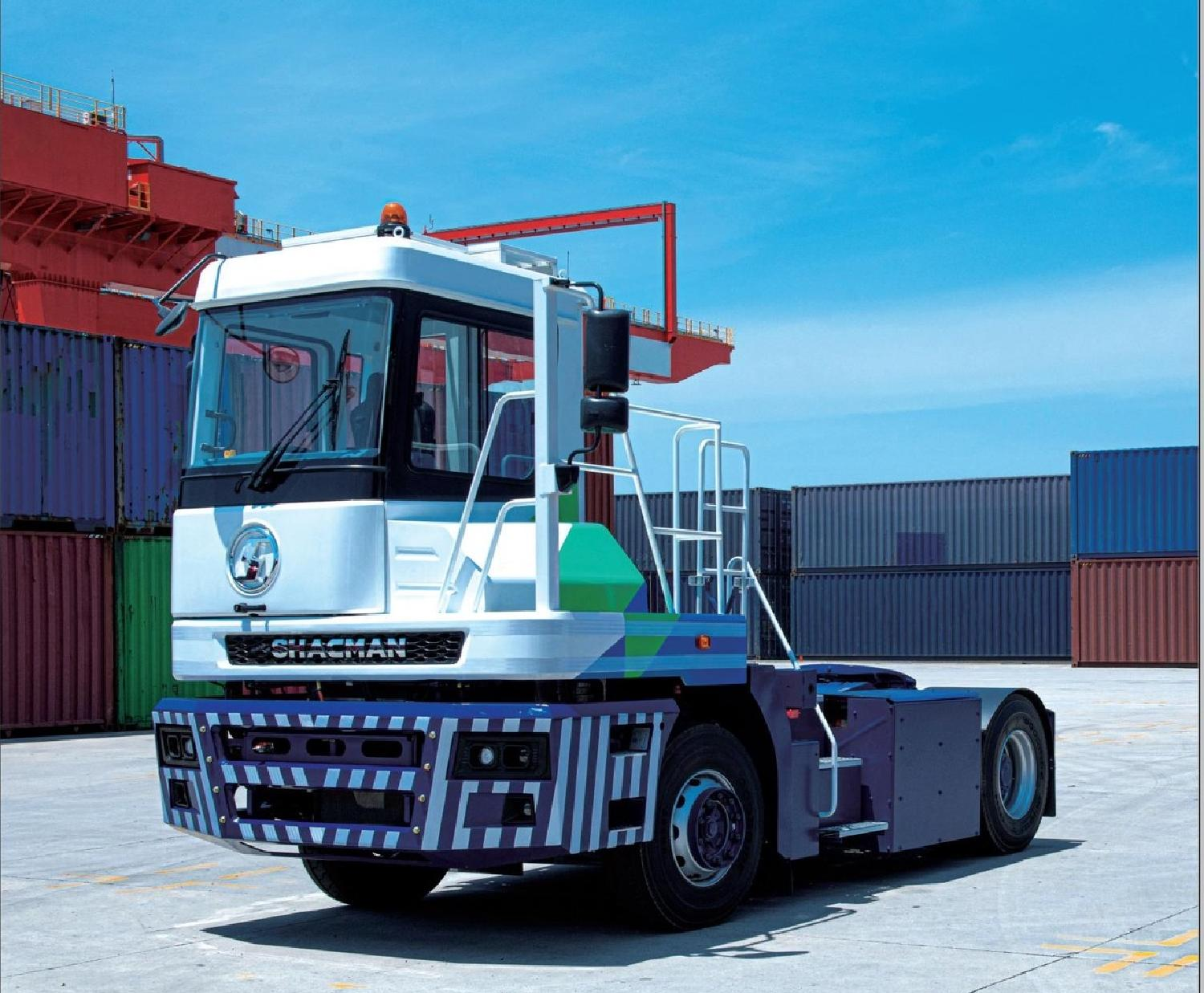
Whether navigating congested urban sites or rugged off-road trails, the SHACMAN X5000 6×4 Dump Truck stands as a testament to innovation, durability, and operator-centric excellence, setting a new benchmark for modern heavy hauling solutions. SHACMAN 4×2 Terminal TruckSHACMAN 4×2 Terminal Truck
The 4×2 Terminal Truck from SHACMAN emerges as a product of years of dedicated technological refinement. Stemming from an extensive background of engineering expertise, this truck is specifically tailored for the demanding terminal operations.
Designed with a focus on optimizing performance in tight - knit terminal environments, it showcases excellent maneuverability. Its powerful engine provides the necessary grunt to handle heavy loads with ease, while maintaining a high level of energy - efficiency, translating into lower operational costs. The driver - centric cabin offers a comfortable working space, reducing fatigue during long shifts. Equipped with advanced safety systems, it ensures a secure working environment in the bustling terminal settings. With the SHACMAN 4×2 Terminal Truck, the standards of terminal transportation are being lifted to new heights.
Search Starts Here